


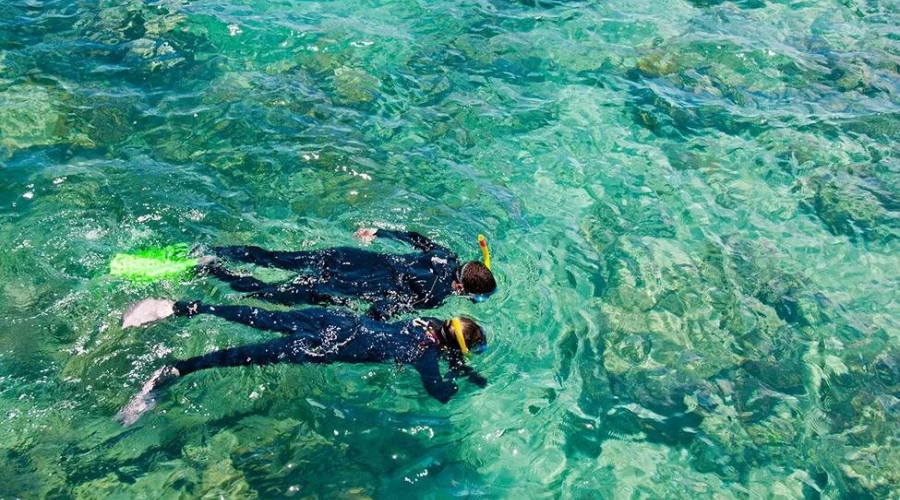
Snorkeling is one of the most magical ways to explore life beneath the ocean’s surface. Unlike scuba diving, it doesn’t demand heavy gear, complex certifications, or years of practice—you simply float, breathe, observe, and become part of the underwater world. For beginners and marine-life lovers, snorkeling offers a gateway to coral kingdoms, colorful fish, gentle sea turtles, and shimmering reefs that look like scenes from a dream. This snorkeling travel guide is designed to prepare you for an unforgettable aquatic journey, whether you’re planning your very first swim or looking to deepen your ocean adventures.
The ocean is vast, unpredictable, and unimaginably beautiful. With the right knowledge and preparation, your snorkeling experience can be safe, awe-inspiring, and deeply transformative. In this guide, you’ll learn how to pick equipment, choose the best destinations, understand marine behavior, and protect both yourself and the sea you admire. Ready to dive in? Let’s begin.
Understanding Snorkeling and What Makes It Magical
What Snorkeling Really Is and Why It Captivates People
Snorkeling is the peaceful art of floating face-down on the water while observing marine life through a mask, breathing through a snorkel, and sometimes using fins for efficient movement. What makes snorkeling so captivating isn’t just the activity itself—it’s the sense of discovery. Every moment beneath the surface reveals tiny worlds filled with movement, color, and wonder. You might encounter shy clownfish weaving through anemones, angelic rays gliding like underwater birds, or vibrant coral gardens glowing under beams of sunlight.
For many, snorkeling becomes a lifelong passion because it’s accessible. You don’t need to be a professional swimmer to enjoy it—you simply need curiosity, basic skills, and respect for the ocean.
Common Misconceptions First-Timers Should Know
Many believe snorkeling requires intense swimming skills, but the truth is that snorkeling is mostly about buoyancy and slow movement. Another misconception is that you must dive deep to witness marine beauty. In reality, the richest biodiversity often lives in shallow, sunlit waters close to shore. This makes snorkeling perfect for beginners and marine life enthusiasts who enjoy leisure as much as excitement.
The Benefits of Snorkeling Beyond Adventure
Snorkeling is more than an adventure—it’s a form of wellness. Floating in saltwater eases muscle tension, rhythmic breathing calms the mind, and the presence of nature reconnects you with the world beyond screens and schedules. Many snorkelers describe a deep sense of gratitude after their first encounter with a sea turtle or a school of glowing reef fish. It’s a kind of meditation, movement, and discovery all at once.
Preparing for Your First Snorkeling Trip
Picking the Right Snorkeling Gear
Your gear determines comfort, visibility, and enjoyment. A well-fitting mask is the most essential item—you want something snug, leak-free, and comfortable on the bridge of your nose. Choose tempered-glass lenses for clarity and durability, a silicone skirt for flexibility, and an anti-fog coating if possible.
Your snorkel should feel natural in your mouth and ideally include a dry-top valve to prevent water from entering during waves. Fins can help you move gracefully without exhausting your legs, especially in mild currents. If you’re snorkeling in cooler areas or want better buoyancy, consider a lightweight rash guard or short wetsuit.
Practicing Before You Travel
Even if your destination is weeks away, you can prepare now. Practice breathing through a snorkel at a local pool or shallow beach. Learn how to clear water from your mask by gently exhaling through your nose. Floating exercises will help build comfort, and light fin swimming will improve control.
Confidence is key—the more familiar the gear feels, the more attention you can give to the underwater world once you’re swimming in open water.
Safety Rules That Every Beginner Must Know
Snorkeling is safe when done responsibly. Always snorkel with a buddy—someone who can help if fatigue, cramps, or tricky currents arise. Check weather conditions and tides before entering the water. If waves look rough or visibility is low, wait for better conditions. Panic is rarely about danger itself—it’s about unfamiliarity. Slow movements, gentle breathing, and patience keep you safe and present.
Lastly, never touch marine life, coral, or the ocean floor. Not only can it harm fragile organisms, but many species have protective defenses you may not see.
What to Pack for a Snorkeling-Focused Trip
Consider this essential packing list:
- Mask, snorkel, fins (your own set ensures comfort)
- Reef-safe sunscreen to prevent coral bleaching
- Rash guard or wetsuit for warmth and sun protection
- Underwater camera or GoPro for memories
- Dry bag for phones, clothes, and valuables
- Towel, water bottle, snacks, and a small first-aid kit
With these items, you’ll be ready to focus on exploration instead of scrambling for gear.
Destinations, Marine Encounters, and Best Snorkeling Practices
Top Global Snorkeling Destinations for Beginners
Choosing the right location can define your experience. Some waters offer calm lagoons perfect for slow exploration, while others feature dramatic drop-offs and expansive coral gardens. For beginners, look for sheltered bays, gentle waves, and clear visibility.
Great beginner-friendly destinations include:
- The Maldives — calm lagoons with reef sharks, angelfish, and manta rays
- Hawaii (Maui, Oahu, Big Island) — green turtles and reefs just steps from the beach
- Great Barrier Reef, Australia — legendary biodiversity and guided tours for learning
- Bora Bora — turquoise shallows filled with colorful fish
- Philippines (Palawan, Cebu) — crystal waters, corals, and friendly marine life
- Caribbean islands — tropical entry-level snorkeling nearly everywhere
Each location offers something unique—whether it’s swimming over clouds of tiny neon fish or drifting alongside enormous, gentle rays.
How to Observe Marine Life Respectfully
Marine life is breathtaking, but it also requires space and care. Move slowly, never chase animals, and maintain a safe distance—especially from turtles, rays, and reef sharks. Your stillness is an invitation for wildlife to come closer naturally.
Keep your fins raised to avoid disturbing sand or breaking coral. Floating instead of standing protects delicate ecosystems formed over centuries. The ocean is a living museum, and snorkeling allows you to walk through it—without touching the exhibits.
Understanding the Creatures You May Encounter
Every snorkeling trip is like entering a new neighborhood.
Fish travel in schools for safety, darting like sparks of color in synchronized patterns. Sea turtles rise for air with elegant slowness, feeding on seagrass below. Parrotfish crunch coral into soft white sand—the same sand you feel under your feet on the beach.
If you’re lucky, you may see rays like birds underwater, or harmless reef sharks gliding with quiet confidence. Coral itself is alive—a community of tiny organisms creating massive structures that shelter thousands of species. Recognizing these dynamics makes snorkeling feel less like sightseeing and more like witnessing another world.
Capturing Underwater Memories Without Missing the Moment
Photography is wonderful, but balance is key. Too much focus on a camera means missing the magic happening before your eyes. The best approach is to observe first, then photograph later once you understand the rhythm of the reef.
Use natural light by swimming near the surface, stay still for clear shots, and avoid using flash which can disturb marine life. Sometimes, a moment is best remembered not through a lens—but through the feeling of saltwater, sunlight, and silence.
Conclusion
Snorkeling is more than a hobby—it’s an invitation into a world most people never truly witness. With the help of this snorkeling travel guide, you now know how to choose gear, prepare your skills, pick dream destinations, and interact with marine life responsibly. The ocean rewards patience, respect, and wonder. Whether you’re gliding above rainbow reefs or encountering your first sea turtle, every moment will remind you how alive and extraordinary the world beneath the surface truly is.
So step into the water, let your body float, and open your eyes wide. Your first snorkeling adventure could be the beginning of a lifelong love for the sea—one filled with shimmering fish, sun-lit coral, and memories as deep as the ocean itself.
