


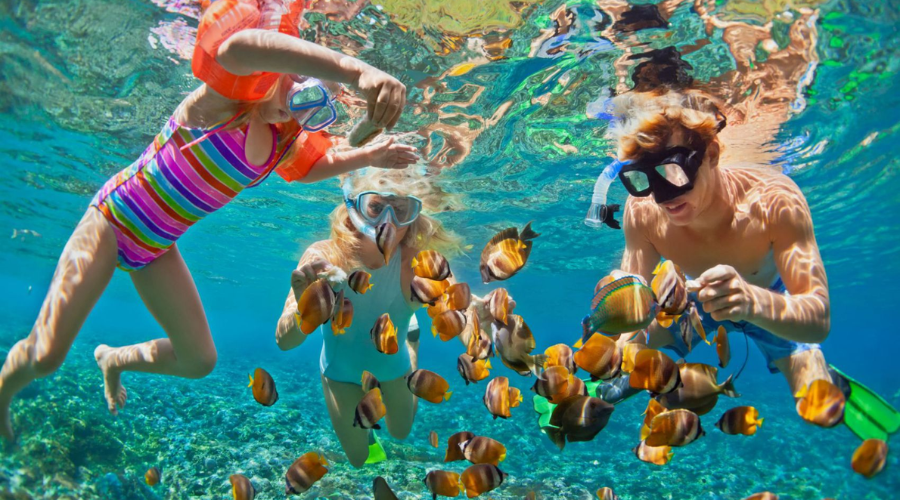
Snorkeling is one of the most accessible and rewarding ways to explore the underwater world. Unlike scuba diving, it requires minimal equipment but still offers a front-row seat to vibrant coral gardens, tropical fish, and other mesmerizing marine life. The key to an unforgettable snorkeling experience lies in choosing the right destination—one with crystal-clear waters, thriving reefs, and abundant biodiversity. Across the globe, some spots stand out for their exceptional clarity, variety of marine species, and breathtaking scenery. In this guide, we explore the best snorkeling spots that combine all these elements for a truly immersive experience.
Tropical Paradises: Warm Waters and Vibrant Reefs
Maldives: A Snorkeler’s Dream
The Maldives is famous for its turquoise lagoons, white sand beaches, and some of the clearest waters in the world. Snorkelers are drawn to its shallow coral gardens, where vibrant fish weave through coral branches in kaleidoscopic patterns. Locations such as Hanifaru Bay offer seasonal gatherings of manta rays and whale sharks, creating a spectacle that is impossible to forget.
For beginners, the calm lagoons surrounding resorts provide easy access to colorful reefs. Experienced snorkelers can venture to more remote atolls to encounter schools of jacks, parrotfish, and reef sharks. The Maldives combines serenity with adventure, making it a must-visit for anyone seeking pristine underwater encounters.
Great Barrier Reef, Australia: The World’s Largest Coral Reef System
Stretching over 2,300 kilometers along Australia’s northeast coast, the Great Barrier Reef is a snorkeler’s paradise. Its vast size allows for a variety of experiences, from shallow fringing reefs to deeper coral gardens. The water clarity is remarkable, often exceeding 20 meters, which enables a full view of its spectacular marine life.
Sites like Green Island and Heron Island offer easily accessible snorkeling areas teeming with clownfish, giant clams, turtles, and reef sharks. The reef’s diversity is staggering, with thousands of fish species and hundreds of coral types. Snorkelers can experience both wide-angle reef landscapes and intimate encounters with small, colorful creatures.
Red Sea, Egypt: Coral Gardens and Wreck Exploration
The Red Sea is celebrated for its warm, clear waters and rich biodiversity. Snorkelers can enjoy coral gardens with vibrant soft and hard corals, alongside schools of damselfish, parrotfish, and anthias. Ras Mohammed National Park is a standout location, with dramatic underwater cliffs, tunnels, and sandy lagoons that offer endless exploration opportunities.
The region also features iconic wreck sites like the Thistlegorm, where snorkelers can observe marine life thriving around a sunken WWII ship. With visibility often exceeding 30 meters, the Red Sea offers a combination of vibrant reefs and historic intrigue, ideal for adventurous snorkelers.
Remote Gems: Hidden Wonders for Adventurous Snorkelers
Palau: Blue Corners and Diverse Marine Life
Palau in the western Pacific is known for its rich biodiversity and crystal-clear waters. Snorkelers can explore shallow reefs, drop-offs, and lagoons filled with colorful fish, giant clams, and coral formations that seem sculpted by nature. The famous Blue Corner is particularly thrilling, where currents bring in schools of jacks, trevally, and occasional reef sharks.
Beyond the reefs, Palau offers unique experiences such as jellyfish lakes, where snorkelers can drift among harmless jellyfish in surreal turquoise waters. Its remote location ensures many dive sites remain pristine and uncrowded, providing a sense of exclusivity for those willing to travel off the beaten path.
Galápagos Islands, Ecuador: Wildlife Encounters Underwater
The Galápagos Islands are famous for unique terrestrial and marine wildlife, and snorkeling here offers up-close encounters with species found nowhere else. Clear waters surrounding islands such as Bartolomé and Española allow snorkelers to observe playful sea lions, marine iguanas, and colorful tropical fish.
The nutrient-rich waters attract large pelagic species, including rays and reef sharks. Snorkelers can witness fascinating behaviors, such as turtles grazing on seagrass or schools of fish moving in perfect synchronization. The combination of unique wildlife and crystal-clear waters makes the Galápagos an unforgettable snorkeling destination.
Raja Ampat, Indonesia: Coral Diversity Like No Other
Raja Ampat, located in West Papua, Indonesia, is often described as the global capital of coral diversity. With over 1,500 species of fish and 600 types of coral, its shallow reefs offer an unparalleled snorkeling experience.
The region’s remote islands are surrounded by lagoons, channels, and reefs that seem untouched. Snorkelers can spot pygmy seahorses, nudibranchs, and a vast array of reef fish in vividly colored coral gardens. The combination of incredible biodiversity, crystal-clear waters, and a sense of isolation makes Raja Ampat a bucket-list destination for adventurous snorkelers.
Unique Experiences: Specialized Snorkeling Adventures
Cenote Snorkeling, Mexico: Freshwater Wonders
The cenotes of Mexico provide a one-of-a-kind snorkeling experience in crystal-clear freshwater caves. Found mainly in the Yucatán Peninsula, these natural sinkholes feature stunning limestone formations, underwater tunnels, and shafts of sunlight that create an ethereal atmosphere.
Popular sites such as Dos Ojos and Gran Cenote allow snorkelers to glide through calm, clear waters while admiring stalactites and stalagmites. This unique environment combines geological wonder with calm, safe waters, offering a surreal snorkeling adventure unlike any coastal reef experience.
Night Snorkeling: A Glimpse into a Hidden World
Night snorkeling reveals a completely different underwater world. Many marine species are nocturnal, including octopuses, cuttlefish, and various shrimp and crab species. Destinations like Bonaire, the Maldives, and Hawaii offer safe, guided night snorkeling experiences in clear waters.
Using underwater lights, snorkelers can observe fascinating behaviors such as hunting patterns, coral polyps opening, and bioluminescent displays. Night snorkeling provides a magical, almost otherworldly perspective on the marine ecosystem, offering insights that daytime snorkeling cannot match.
Snorkeling Wrecks: History Meets Marine Life
Wreck snorkeling combines history, exploration, and marine biodiversity. In places like the Philippines’ Coron Bay, sunken WWII ships have become artificial reefs, hosting diverse marine life including scorpionfish, snappers, and schools of tropical fish.
These wrecks provide shallow entry points for snorkelers, allowing them to explore underwater corridors and observe how marine life transforms human-made structures into thriving habitats. Wreck snorkeling is ideal for adventurers who want both an educational and visually spectacular experience.
Planning Your Snorkeling Adventure
Best Time to Visit
Timing is essential for optimal snorkeling conditions. Tropical destinations like the Maldives, Seychelles, and the Caribbean are best visited during their dry seasons, typically offering calmer waters and better visibility. The Galápagos is ideal from June to November for wildlife encounters, while the Red Sea offers excellent conditions from March to May and September to November. Researching seasonal patterns ensures the clearest waters and the best marine life sightings.
Safety and Preparation
Even though snorkeling is accessible, safety should always be a priority. Snorkelers should be familiar with currents, tides, and local marine life. Wearing proper gear, including masks, snorkels, fins, and sometimes wetsuits, enhances comfort and safety. Beginners should start in shallow, calm waters or with guided tours to gain confidence before venturing into more challenging locations.
Gear and Comfort
High-quality gear enhances the snorkeling experience. Anti-fog masks, well-fitted fins, and a comfortable snorkel make it easier to explore underwater for extended periods. Rash guards or wetsuits provide protection from sunburn and minor scrapes. Waterproof cameras or action cameras are highly recommended for capturing the vibrant colors and fascinating wildlife encountered during each snorkeling session.
Conclusion
Snorkeling opens a window into an underwater world filled with color, movement, and life. From the tropical lagoons of the Maldives and Raja Ampat to the historical wrecks of the Philippines, the freshwater cenotes of Mexico, and the vibrant reefs of the Galápagos, the planet offers countless opportunities for exploration. Each destination provides unique encounters, whether it’s drifting among manta rays, watching marine iguanas feed, or discovering hidden coral gardens teeming with life.
Choosing the best snorkeling spots ensures clear waters, vibrant reefs, and unforgettable experiences. With careful planning, proper gear, and a spirit of curiosity, every snorkeling adventure becomes more than a swim—it becomes a journey into a magical, underwater universe that stays with you long after you return to the surface.
