


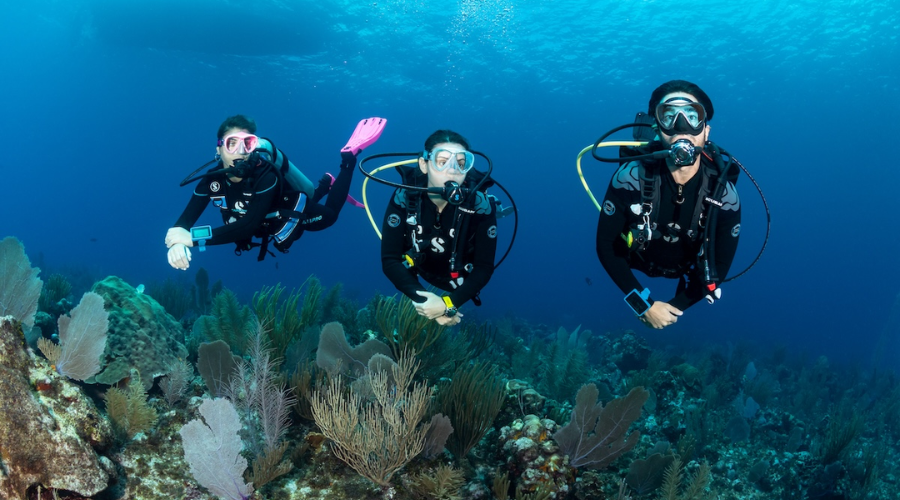
Scuba diving is more than just an adventure; it’s a journey into a world teeming with colors, textures, and life forms that few people get to witness firsthand. From the shimmering coral reefs to mysterious shipwrecks and playful schools of fish, the underwater realm offers a unique sense of freedom and discovery. For both beginners and seasoned divers, choosing the right location can make or break the experience. In this guide, we explore the best scuba diving locations where clear waters meet vibrant marine life, ensuring every dive is nothing short of extraordinary.
Exploring Tropical Paradises: Crystal Clear Waters and Coral Kingdoms
The Maldives: A Diver’s Dream
The Maldives is renowned for its pristine waters and unparalleled visibility, making it a haven for underwater photographers and marine enthusiasts. With over 1,000 coral islands spread across the Indian Ocean, the Maldives offers diverse dive sites ranging from shallow coral gardens to deep channels teeming with pelagic life.
Divers can encounter manta rays, whale sharks, and a plethora of tropical fish species. Notable sites like Hanifaru Bay provide seasonal gatherings of manta rays, creating a mesmerizing spectacle of marine choreography. For beginners, the shallow lagoons around Maafushi and North Male Atoll provide safe, gentle dives, while experienced divers can explore more challenging drift dives along the outer reefs.
Great Barrier Reef, Australia: The Underwater Wonderland
No list of the best scuba diving locations would be complete without the Great Barrier Reef. As the world’s largest coral reef system, it stretches over 2,300 kilometers along Australia’s northeast coast, offering an immense variety of dive experiences.
Divers are greeted by kaleidoscopic coral formations, from branching staghorn to massive brain corals, providing shelter for countless fish, sea turtles, and reef sharks. The Whitsunday Islands and Cairns regions are particularly famous for their dive tours, catering to all levels. For underwater photographers, the reef’s vibrant colors and dynamic marine life make it a dream canvas.
Red Sea, Egypt: Where History Meets Marine Beauty
The Red Sea is famous for its unique combination of clear waters, rich marine biodiversity, and historical wrecks. With visibility often exceeding 30 meters, divers can fully appreciate the coral formations and schools of fish that thrive in its warm waters.
Ras Mohammed National Park and the Thistlegorm wreck are among the most iconic dive sites. Ras Mohammed offers dramatic drop-offs, tunnels, and reefs bustling with anemonefish, parrotfish, and even dugongs. The Thistlegorm, a WWII cargo ship, presents a captivating underwater museum for history buffs and adventure seekers alike.
Remote Gems: Hidden Spots for Intimate Encounters with Marine Life
Palau: The Blue Corner of the Pacific
Palau, located in the western Pacific, is a diver’s paradise for those seeking adventure and diversity. Its famous Blue Corner is a magnet for marine life, including barracudas, reef sharks, and schools of jacks. The nutrient-rich currents attract pelagic species, making it one of the most thrilling drift dive locations in the world.
Beyond Blue Corner, divers can explore pristine lagoons, jellyfish lakes, and lush coral reefs. Palau is particularly appealing for photographers and marine researchers, as its reefs remain relatively untouched compared to more commercialized dive sites.
Galápagos Islands, Ecuador: A Wildlife Spectacle
The Galápagos Islands are synonymous with unique wildlife, and the underwater world is no exception. Diving here is like stepping into a live documentary, where encounters with hammerhead sharks, sea lions, and giant manta rays are commonplace.
Sites like Darwin Island and Wolf Island are considered some of the best in the world for observing large pelagic species. Cold water currents enrich the nutrient content, resulting in an underwater ecosystem that is both diverse and robust. The Galápagos offers a combination of thrilling adventure and ecological wonder that few other destinations can match.
Raja Ampat, Indonesia: The Coral Capital
Raja Ampat, located in West Papua, Indonesia, is often referred to as the ultimate scuba diving destination for coral enthusiasts. Its reefs boast over 1,500 species of fish and 600 types of coral, making it one of the most biodiverse regions on the planet.
The area is ideal for both macro and wide-angle photography. From tiny pygmy seahorses to expansive coral walls, Raja Ampat offers something for every diver. With relatively low tourist traffic, many dive spots feel untouched, providing a sense of exclusivity and adventure rarely found elsewhere.
Unique Experiences: Specialized Diving Adventures
Cenote Diving, Mexico: Mysterious Freshwater Caverns
For those seeking a different kind of underwater adventure, the cenotes of Mexico offer crystal-clear freshwater diving in stunning cave systems. Found mainly in the Yucatán Peninsula, cenotes are natural sinkholes with intricate networks of underwater tunnels and caverns.
Diving in cenotes provides surreal visibility and ethereal lighting effects, as sunlight filters through openings in the limestone formations. Sites like Dos Ojos and Gran Cenote are famous for their calm, clear waters and breathtaking geological structures, making them ideal for both novice and experienced cave divers.
Wreck Diving, Philippines: A Journey Through History
The Philippines is a treasure trove for wreck divers, with World War II shipwrecks scattered across its islands. Coron Bay, in particular, offers a concentration of Japanese warships resting on the ocean floor, now transformed into artificial reefs.
These sites attract diverse marine life, including schools of snappers, scorpionfish, and sometimes larger pelagic species. Wreck diving in the Philippines combines history, exploration, and vibrant marine ecosystems, providing a rich and immersive experience for divers seeking adventure beyond coral reefs.
Night Diving: Discovering a Hidden World
Night diving is a specialized adventure that reveals the ocean in a completely different light. Many species are nocturnal, including octopuses, cuttlefish, and certain shrimp species. Locations like Bonaire in the Caribbean or the Maldives offer safe, clear conditions ideal for exploring marine life after sunset.
Night diving also allows divers to witness unique behaviors, such as predator-prey interactions and coral spawning, offering a rare glimpse into the secret life of the ocean. Proper lighting and guidance are essential, but the rewards include unforgettable encounters and an almost magical underwater atmosphere.
Planning Your Scuba Diving Adventure
Choosing the Right Season
Timing is crucial for maximizing visibility, encountering desired marine species, and avoiding rough seas. Tropical locations like the Maldives and Raja Ampat have peak diving seasons when currents are favorable, typically between April and November. For the Galápagos, June to November is ideal for observing hammerhead sharks, while the Red Sea offers excellent diving from March to May and September to November.
Safety and Certification
Regardless of location, safety is paramount. All divers should have the necessary certifications for the type of diving they plan to undertake. Beginners should stick to well-known dive centers and guided tours, while advanced divers may explore more challenging sites with proper training and equipment. Familiarity with local marine life, currents, and dive protocols ensures a safe and enjoyable experience.
Gear and Preparation
Having the right gear enhances both comfort and safety underwater. Wetsuits, masks, fins, and buoyancy control devices should be selected based on water temperature and dive type. For underwater photographers, specialized cameras and lighting equipment can capture the true vibrancy of marine life. Preparing mentally and physically for dives also ensures a more immersive and enjoyable experience.
Conclusion
Exploring the ocean through scuba diving is an unparalleled adventure. From the tropical paradises of the Maldives and Raja Ampat to the historical wrecks of the Philippines and the mysterious cenotes of Mexico, the world offers endless opportunities for underwater discovery. Each location presents unique experiences, whether it’s drifting alongside manta rays, photographing vibrant coral gardens, or exploring sunken ships teeming with life.
By choosing the best scuba diving locations, divers can immerse themselves in clear waters and witness vibrant marine ecosystems that inspire wonder and respect for our planet’s oceans. With proper planning, safety, and curiosity, every dive becomes a journey into a world that is as beautiful as it is fragile—an experience that stays with you long after you surface.
